
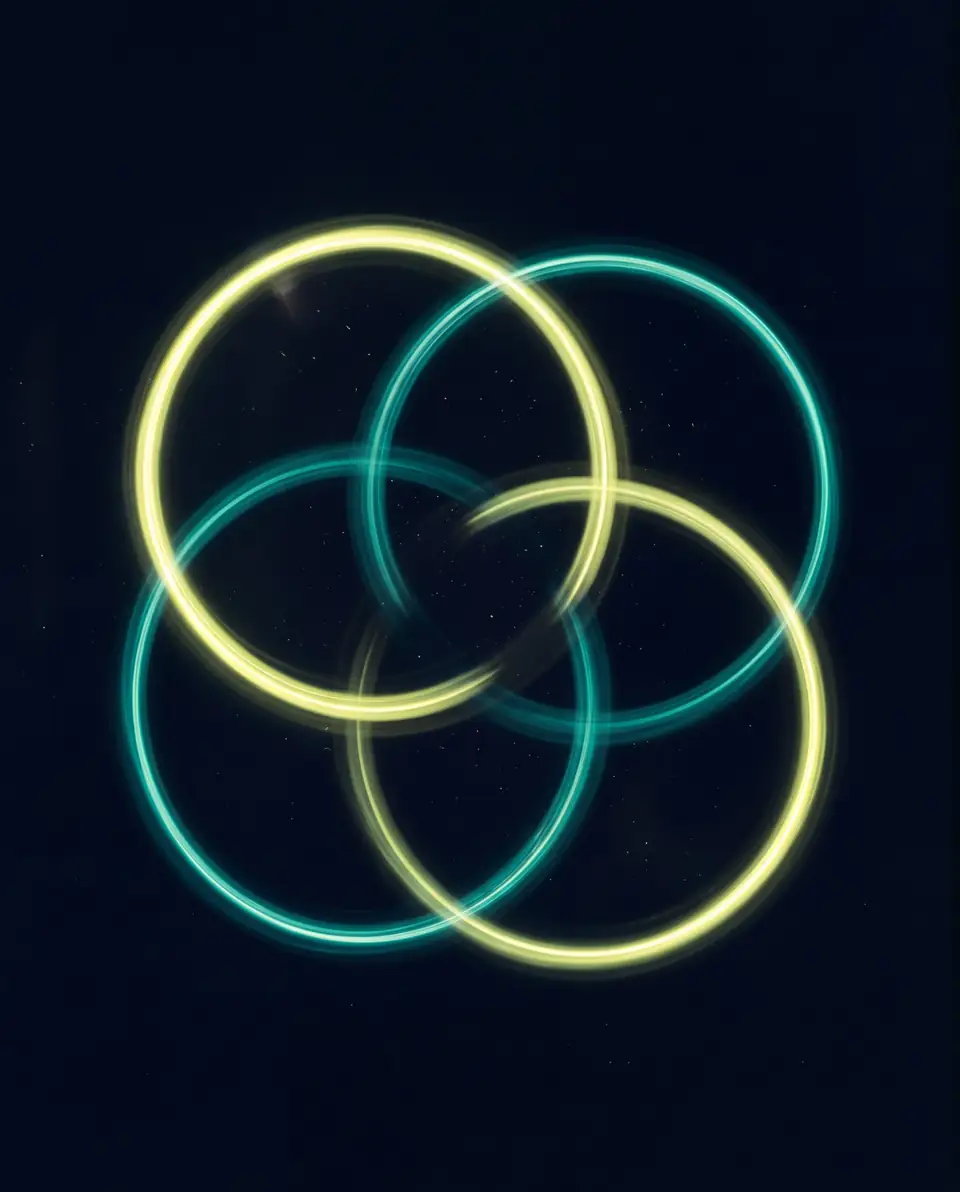
Poi is a weight on the end of a cord, usually held one in each hand and swung in circles around the body. Spinners move those circles through different planes and link them into a continuous dance. It looks complicated. The first move is not.
Where poi comes from
Poi comes from the Māori people of Aotearoa New Zealand. The word itself means ball in te reo Māori. Traditionally it was used in song and dance, and is often described as a way to build flexibility and strength in the hands and arms. It is still performed in Māori culture today, and it has also spread around the world as a flow art. It is worth knowing whose tradition you are picking up.
The main types of poi
- Practice poi: soft heads, often in a sock or sleeve. This is where nearly everyone starts.
- Tail poi: ribbons trail behind the head, slowing it down and showing the path you draw.
- LED poi: rechargeable light heads for night practice and performance.
- Fire poi: wicks soaked in fuel. A separate skill for trained spinners with a safety setup.
What it feels like to learn
You begin with one hand, in one plane, getting used to the timing. Then two hands together, then the weave, then stalls and transitions that change direction. Because the rhythm takes all your attention, many people describe it as moving meditation.
Why people take it up now
Some come for the coordination challenge, some for stress, some because it looks beautiful and they want to do that. It needs little space and no gym, and it can be done standing or seated.
If you want the evidence, read what the research says about poi and your health.
Want a person to watch your hands?
Book a lessonSources
Written for The Flow Hub. Its founder, Sarah Tarek Khedr, is a certified SpinPoi instructor.